1) What is your coaching philosophy in one or two sentences?
My philosophy centers on empathy, resilience, and transforming player psychology. I focus heavily on shifting a player's mindset to value patience and tactical execution over flashy plays, coaxing them to understand the why behind every shot so they can develop both rock-solid fundamentals and a smarter game strategy.
Q2) How do you structure a typical lesson? Please describe what a beginner and an intermediate/advanced player can expect.
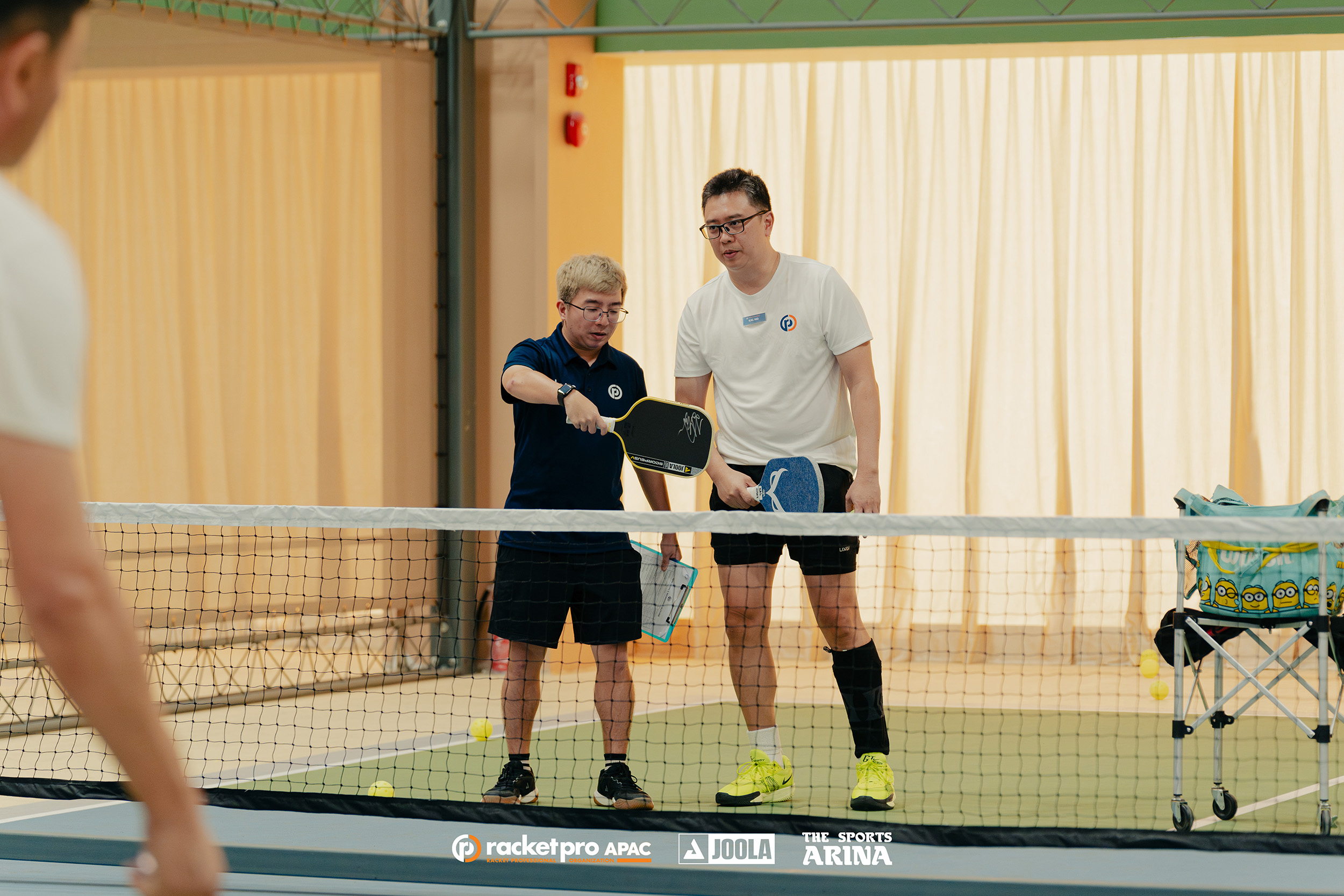
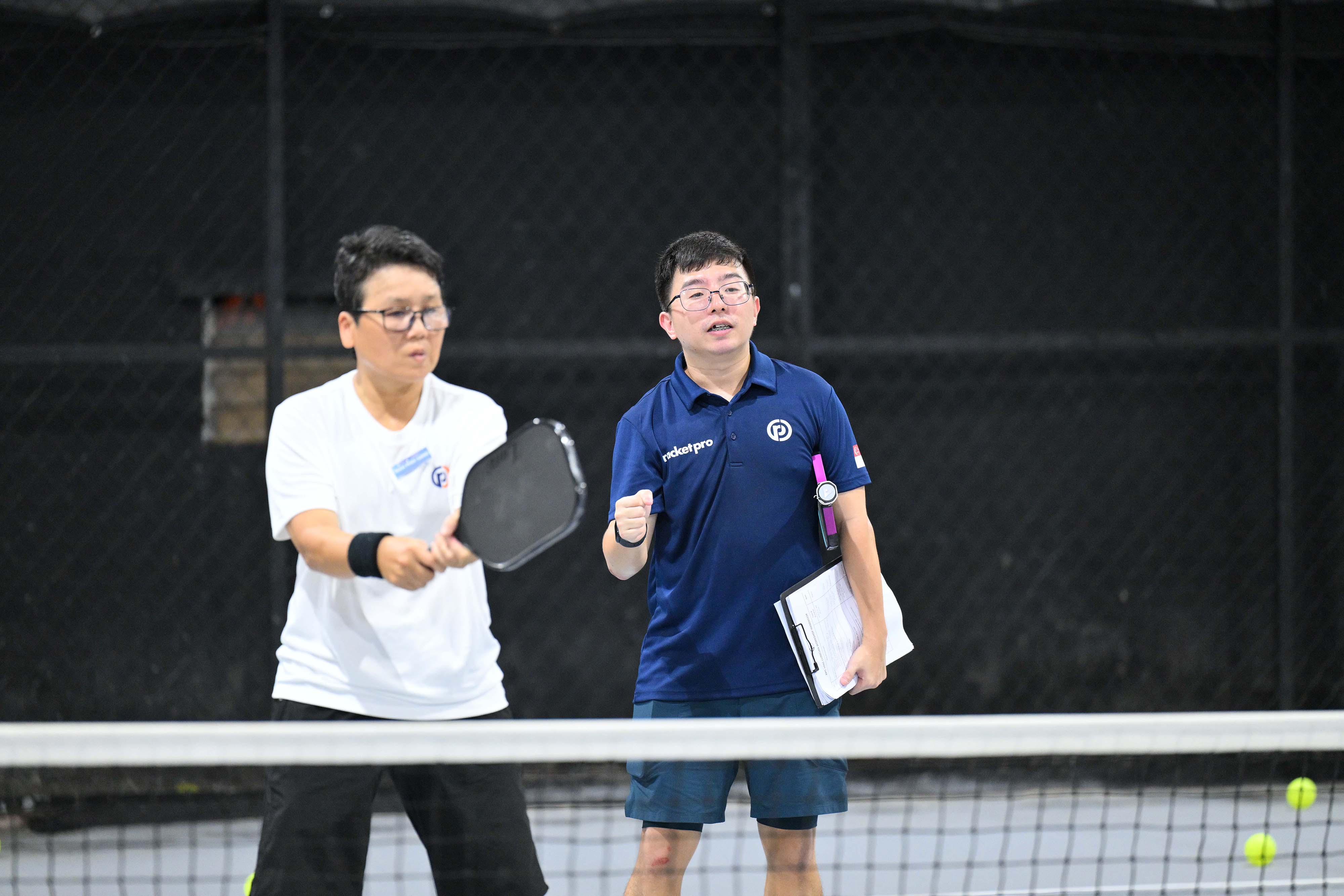
I approach every session with a structured plan tailored to the group. In a class of 5 to 6 players, I find a median starting point, a drill that is neither too easy nor too hard, and use a systematic rotation to give everyone dedicated, individual feedback.
Beginners: Because most lower-level rallies end within 5 shots, our focus is strictly on solidifying the fundamentals. I walk them through the different types of shots, teaching them exactly when to use them and why.
Show More ↓1) What is your coaching philosophy in one or two sentences?
My philosophy centers on empathy, resilience, and transforming player psychology. I focus heavily on shifting a player's mindset to value patience and tactical execution over flashy plays, coaxing them to understand the why behind every shot so they can develop both rock-solid fundamentals and a smarter game strategy.
Q2) How do you structure a typical lesson? Please describe what a beginner and an intermediate/advanced player can expect.
I approach every session with a structured plan tailored to the group. In a class of 5 to 6 players, I find a median starting point, a drill that is neither too easy nor too hard, and use a systematic rotation to give everyone dedicated, individual feedback.
Beginners: Because most lower-level rallies end within 5 shots, our focus is strictly on solidifying the fundamentals. I walk them through the different types of shots, teaching them exactly when to use them and why.
For instance, when explaining a stable base at the Non-Volley Zone (NVZ) kitchen line, I ask my students: “When you take a video on your phone, do you run around or stay still?” They always say still, so the video isn't blurry. It’s the same on the court, once your feet are set and you are still, your eyes act like a stabilized camera lens, allowing you to track the ball with perfect, crystal-clear eyesight.
Intermediate: You already know the shots; what you need is technical refinement and smarter shot selection. I train them to stop playing on autopilot and start thinking ahead of the game. The ultimate goal is to transition from always reacting to proactively dictating the match tempo.
Q3) Which single PB stroke or skill is non-negotiable for every player, and how do you teach it?
The absolute non-negotiable skill is understanding high-percentage shot selection. Many players skip the basics and jump straight to low-percentage, risky shots, which keeps them stuck at the intermediate level. If you can execute basic, high-percentage shots consistently, you will improve and get good incredibly quickly. For example, if an opponent hits an aggressive ball, don't try to counter aggressively; neutralize it first, reset the point, and wait for a neutral ball before you start dictating play.
We train this using scenario-based drills and pattern plays rather than repetitive hitting. I don't spoon-feed answers; I watch closely, mid-game, and ask questions that challenge you to think. My goal is to explain simply why a choice didn't work so you learn to self-diagnose and correct mistakes during a live match.
Q4) Do you specialize in any areas (e.g., juniors, seniors, competitive training, strategy, doubles tactics, injury prevention)?
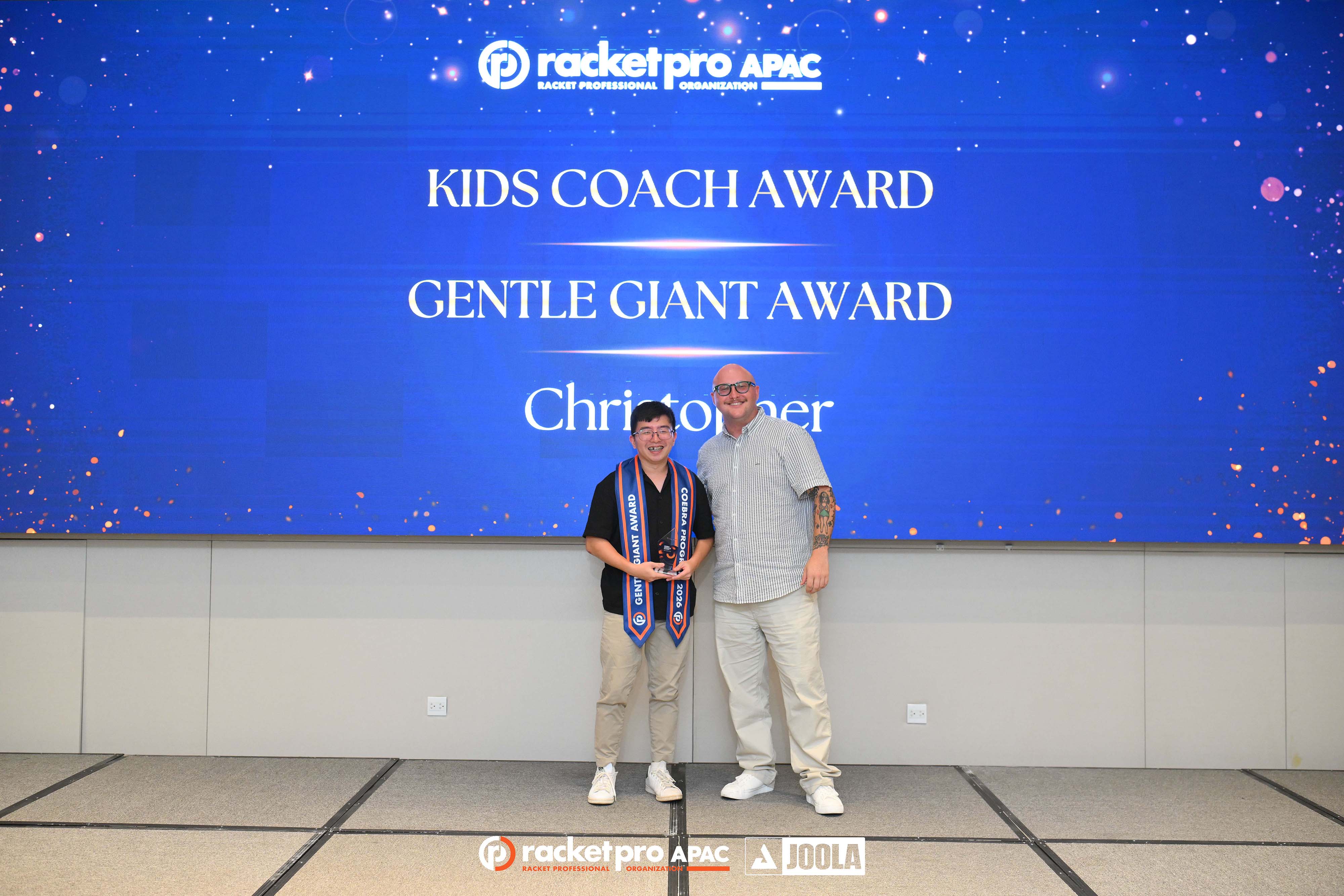
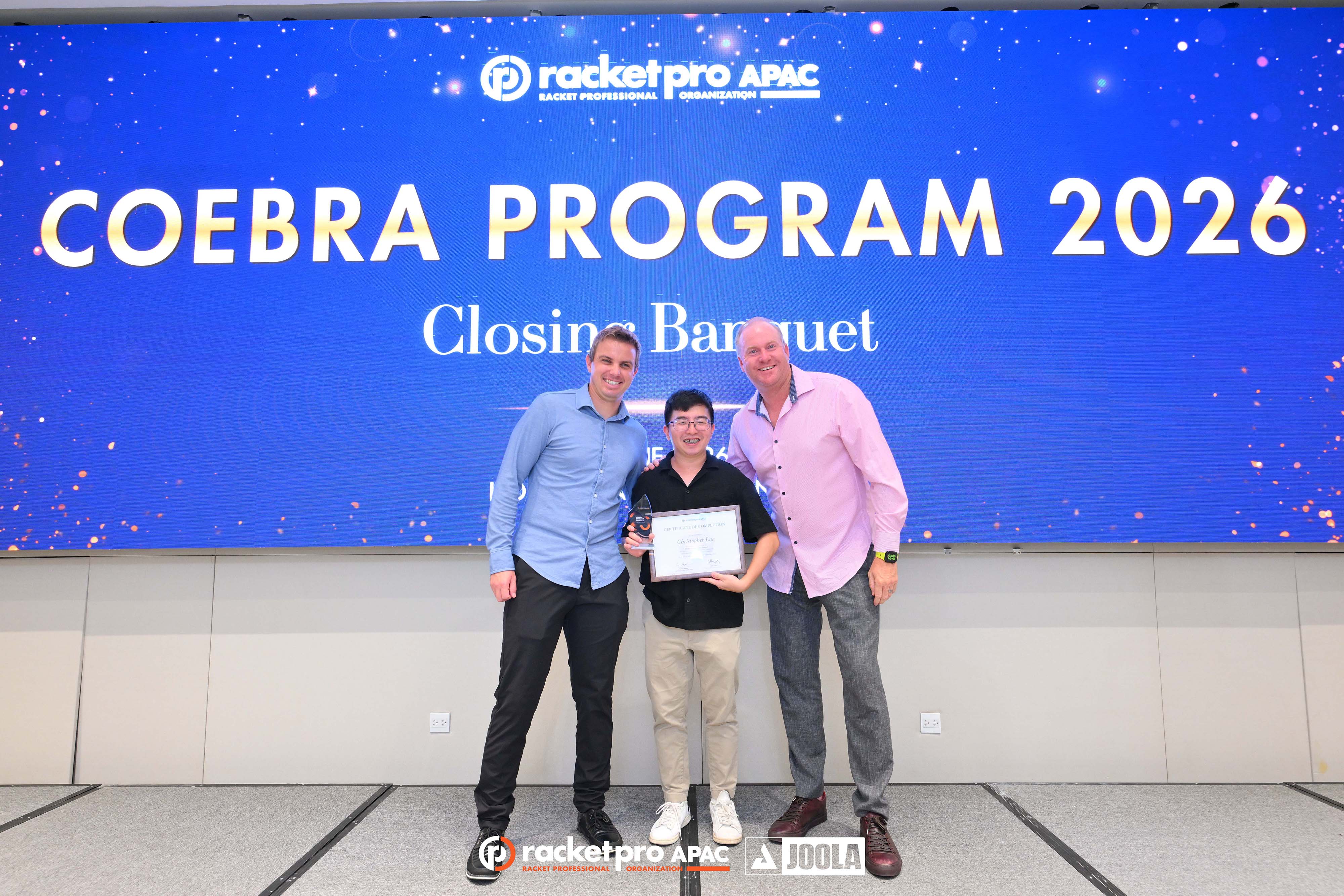
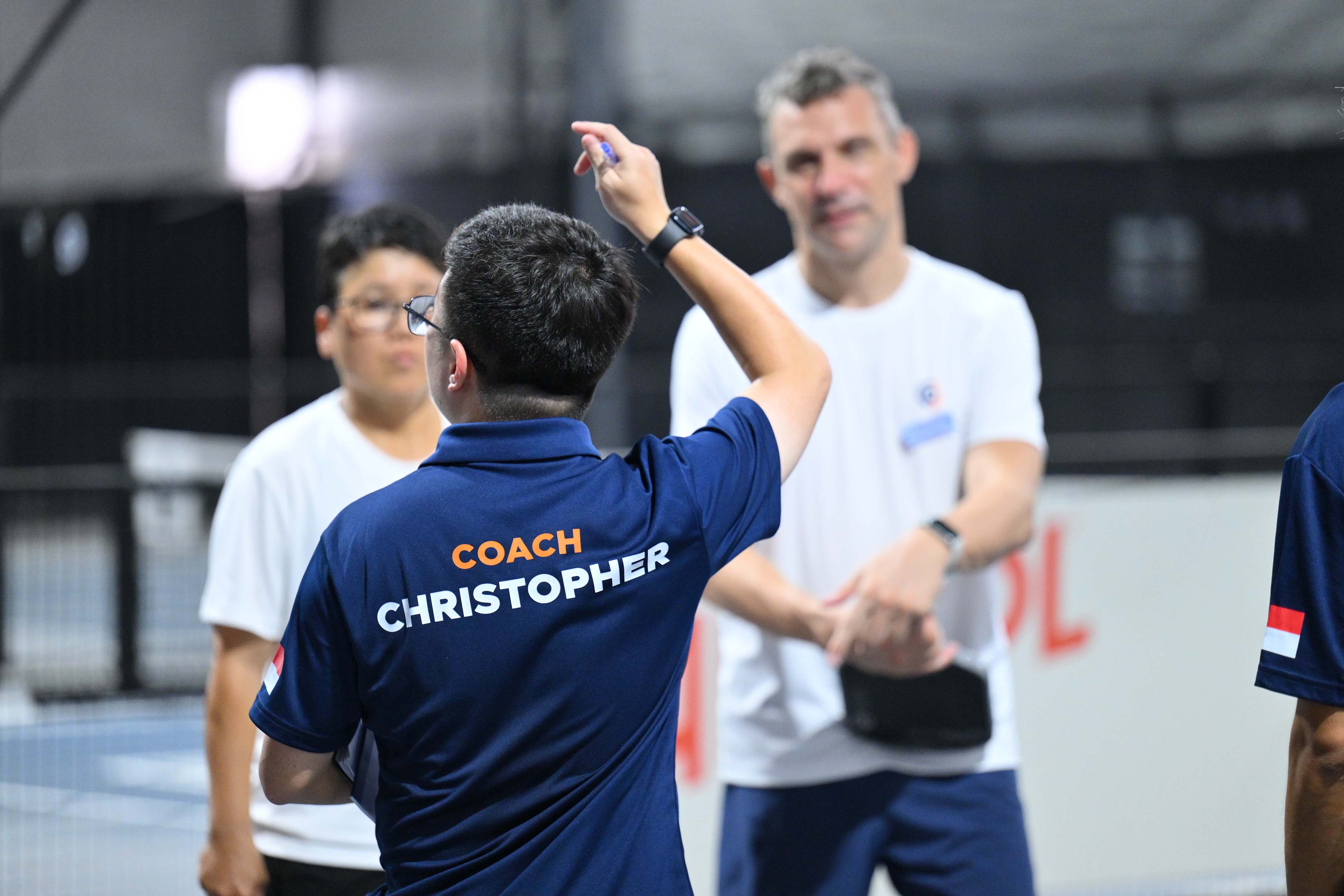
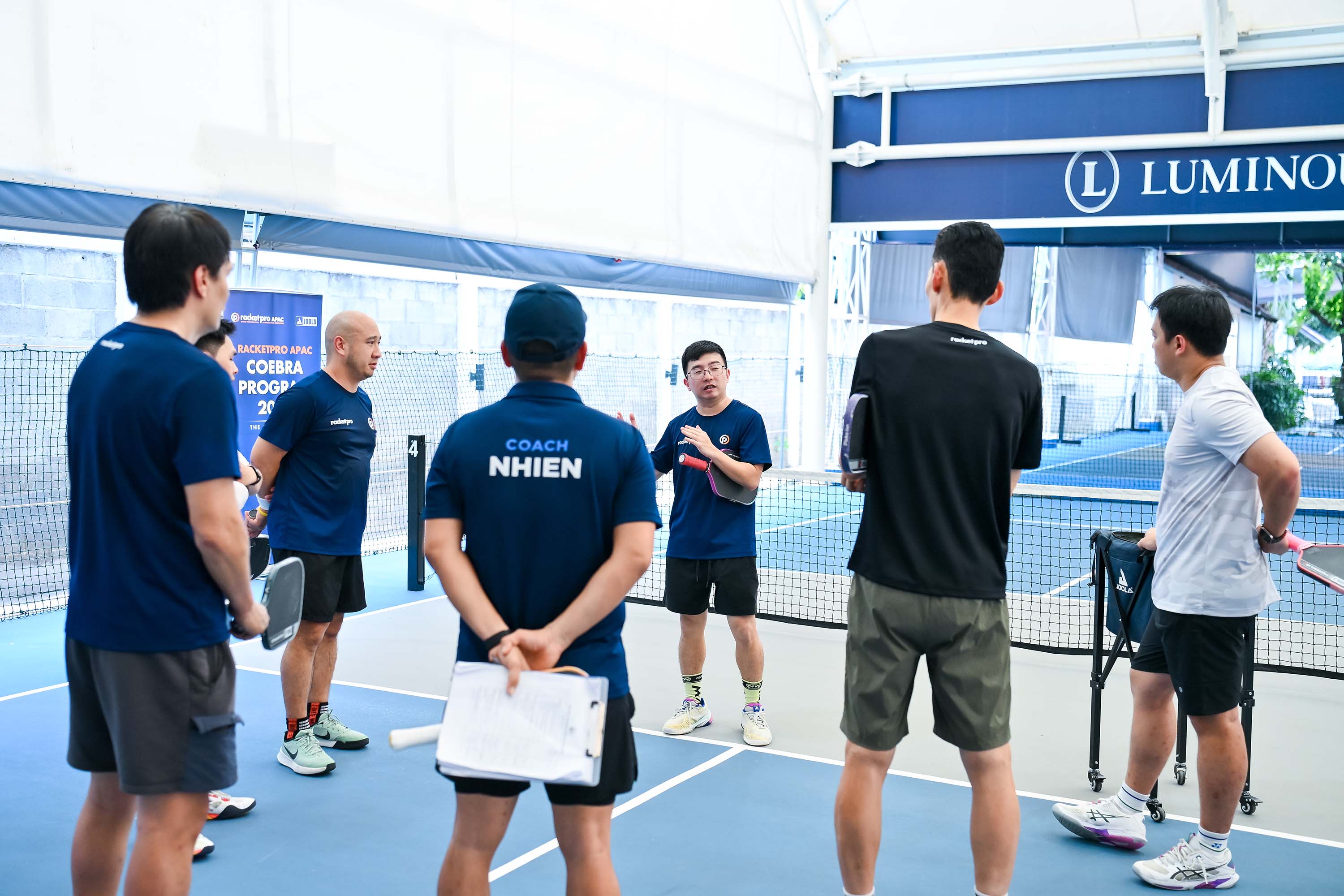
With Pickleball demographics rapidly getting younger, I am actively expanding into dedicated kids and junior classes alongside my adult and senior programs. I was recently honored to receive the Kids Coach Award at the COEBRA closing ceremony, which underscores my commitment to developing the youth pathway.
As a natural next step, I am also looking to coach players who want to prepare for and take part in competitive tournaments at their specific skill level. If you put your trust in my methodology, we will work together on building a smart court strategy, improving your shot tolerance, and developing the focus needed under match pressure.
Q5) How do you support students who take longer to progress? Have you ever advised someone that Pickleball wasn't the right fit? Explain briefly.
Pickleball is the first sport many people have ever tried, so varying progress timelines are completely natural. Having personally taught a child with special needs before, I learned firsthand the deep value of repetition, patience, and giving people the grace to learn at their own pace. Because of this, my golden rule is always to teach students where they are, not where I am as a coach. I look at it like watering a seedling; with consistent care and patience, they will flourish. I have never told anyone pickleball wasn't the right fit.
To clear up doubts, I actively ask questions during drills and strongly encourage students to ask questions at any point. If a student asks something and I don't immediately know the answer, I remain humble and ask other experienced coaches. I adapt my delivery to match each student's learning speed, breaking down complex adjustments until it clicks.
Q6) Share one rewarding or memorable student moment that made you proud.
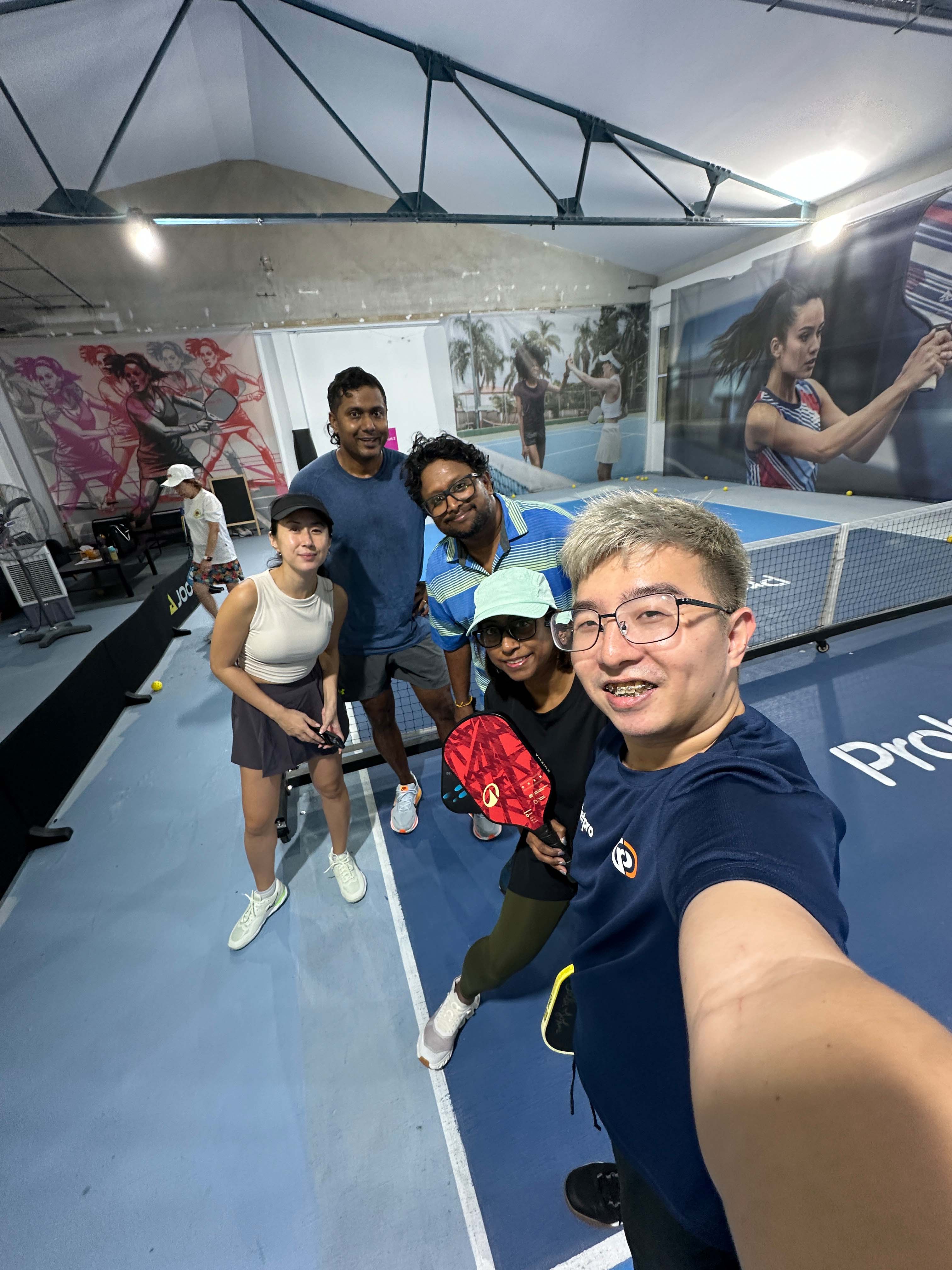
While medals and podium finishes are nice, my proudest moments come from seeing students achieve their goals when they step onto the court. Whether that is to get fit, win a tournament, or become a better version of themselves. As long as a student is open, is humble, and willing to learn, helping them hit those personal milestones is incredibly rewarding.
A standout moment that beautifully captures this was with an overseas client from Hong Kong. After just one session, she told me that she didn't just learn the game, but gained a completely new sense of confidence. Knowing my teaching style can make that kind of deep, personal impact after just a single lesson is what truly makes me proud.
Q7) What practical advice would you give players considering coaching as a side-hustle or full-time career?
A certificate means nothing if you cannot see mistakes, correct them, and teach simply. When I took my first PPR course, I failed it on my birthday. I worked on my gaps and challenged myself across multiple coaching bodies (IPTPA, RPO, NROC) to learn how different systems teach. Keep your language simple, don't over-instruct, and demonstrate shots cleanly.
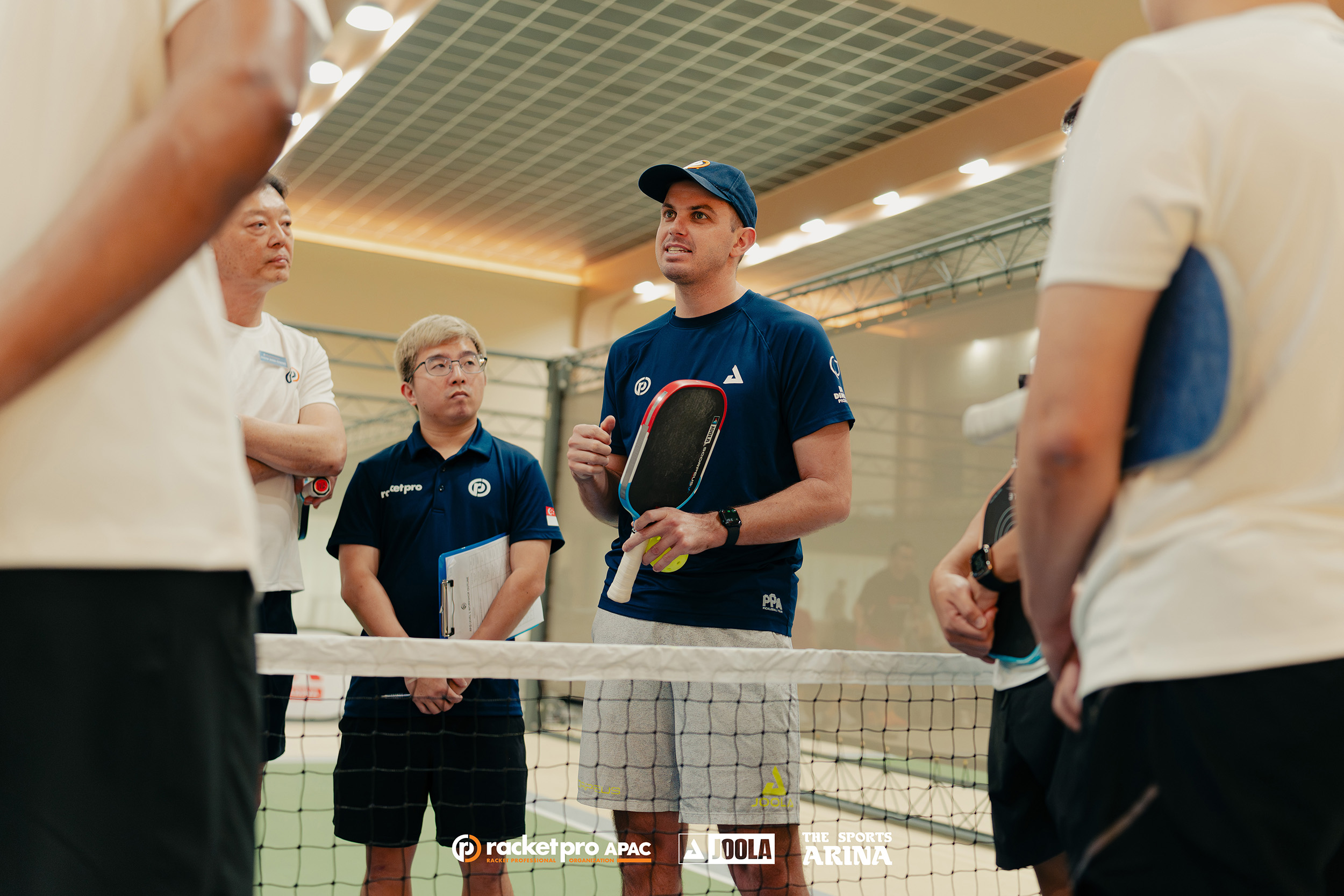
Most importantly, value the trust and time your students give you. Reciprocate that investment by building a great relationship. At the end of the day, bring high energy, make the concepts easy to digest, and make sure everyone has an amazing time. Coaching is a two-way street; when you respect their commitment and make it fun, your impact goes far beyond running drills.
🎓 Coaching Qualifications/Certifications
Racketpro COEBRA, elite coaching program by former World #1 Collin Johns
Racketpro Level 1
National Registry of Coaches
MOE Instructor
IPTPA Level 1
Years of playing Pickleball: 2 years
Years of Coaching: 1 year
🏆 Accolades/medals/awards won
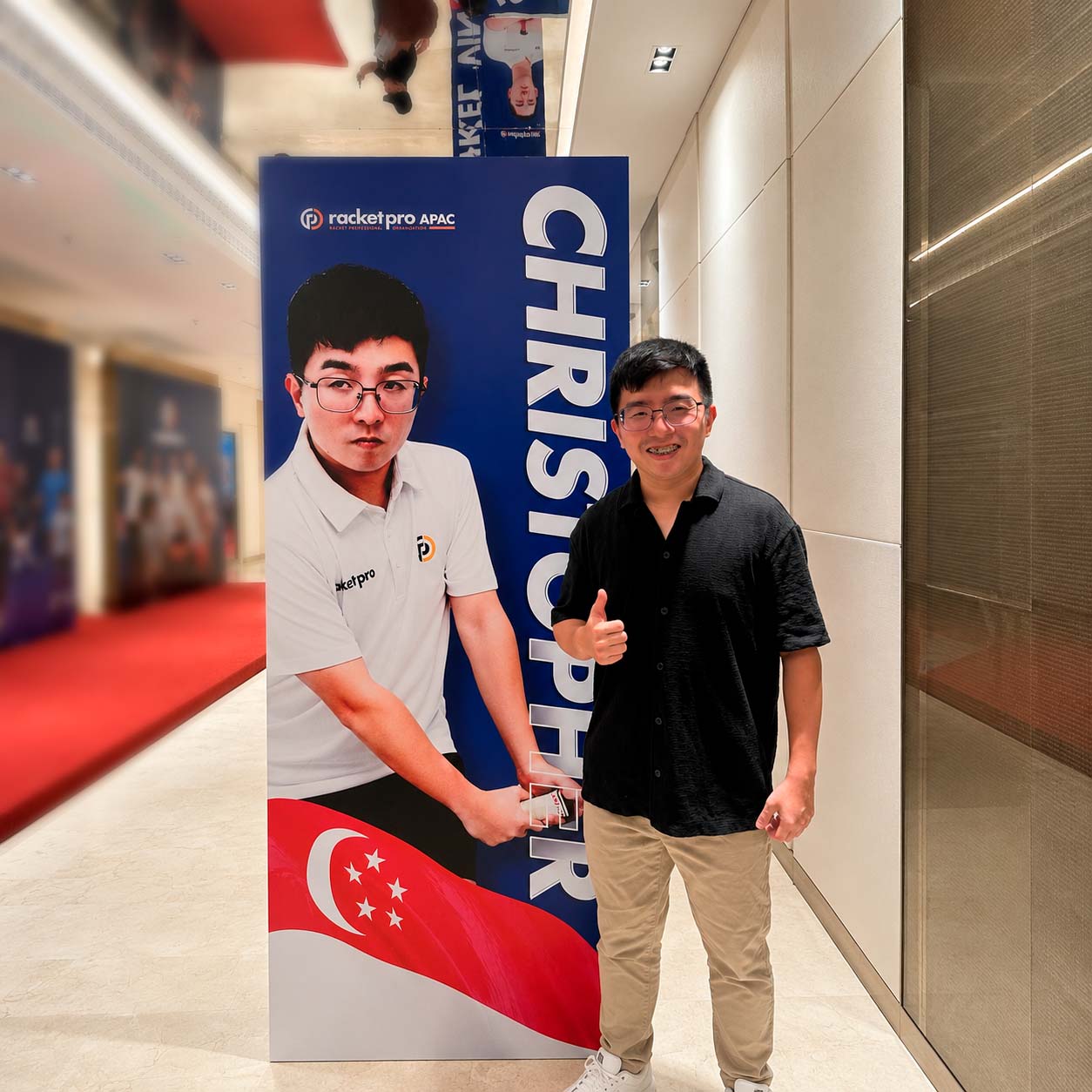
Kids Coach Award - COEBRA